
Across the United States, more than 800,000 miles of public sewer infrastructure support the health, safety, and economic stability of our communities. Approximately 80 percent of those systems consist of 8 to 12 inch small-diameter pipes. These assets form the backbone of collection systems, yet they are often the most difficult to inspect comprehensively and efficiently.
With EPA estimates indicating between 23,000 and 75,000 sanitary sewer overflows annually, proactive inspection and condition assessment are no longer optional. Utilities require faster, safer, and more data-rich approaches to managing their small-diameter networks.
The Challenge of Small Diameter Assets
Small-diameter sewer inspection has traditionally relied on conventional CCTV methods. While effective, these approaches can be time-intensive, labor-heavy, and limited in the scope of information captured.
Given the sheer volume of pipe in the ground, utilities must answer several critical questions:
- How quickly can we inspect large portions of our system?
- How do we minimize disruption and reduce confined space exposure?
- How do we move from reactive repairs to proactive asset management?
- How do we turn inspection footage into actionable planning data?
The answer lies in modern inspection technologies that dramatically improve data capture, efficiency, and integration with asset management systems.
Safer, Faster Inspections with SOLO®
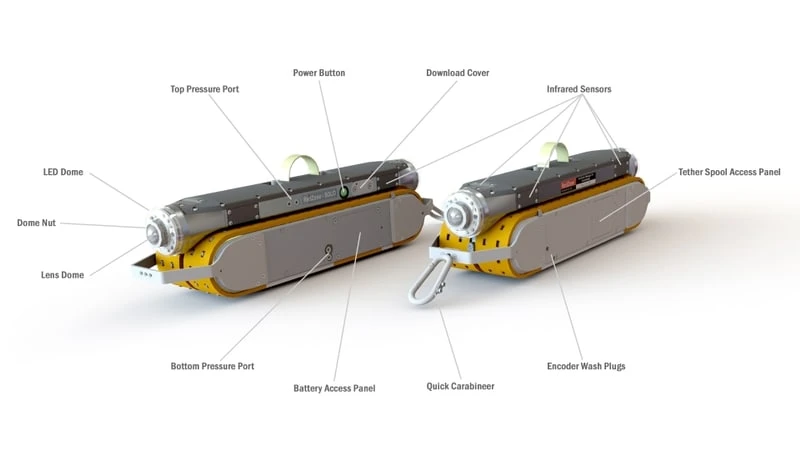
A SOLO® inspection platform allows utilities to gather up to six times the data of traditional CCTV inspection. Crews can inspect approximately 5,000 feet per day per crew member, significantly accelerating network coverage.
Deployment is streamlined. Average setup time is as little as 10 to 15 minutes, and the lightweight design reduces physical strain and transport complexity. The result is improved safety for field crews and faster mobilization across inspection sites.
Beyond productivity, SOLO® enhances the quality of information collected.
360-Degree Video for Complete Interior Visibility
Small-diameter inspection using 360-degree video technology provides high-resolution imagery of the full pipe interior. Instead of a single forward-facing view, operators gain comprehensive visual coverage.
Virtual pan, tilt, and zoom capabilities allow engineers and asset managers to examine every inch of pipe after the inspection is complete. This approach eliminates blind spots and provides more defensible documentation for condition assessments.
The result is clear, complete data for every inspected segment, enabling more confident operations and maintenance decisions.
Standardized Defect Coding with NASSCO Certification
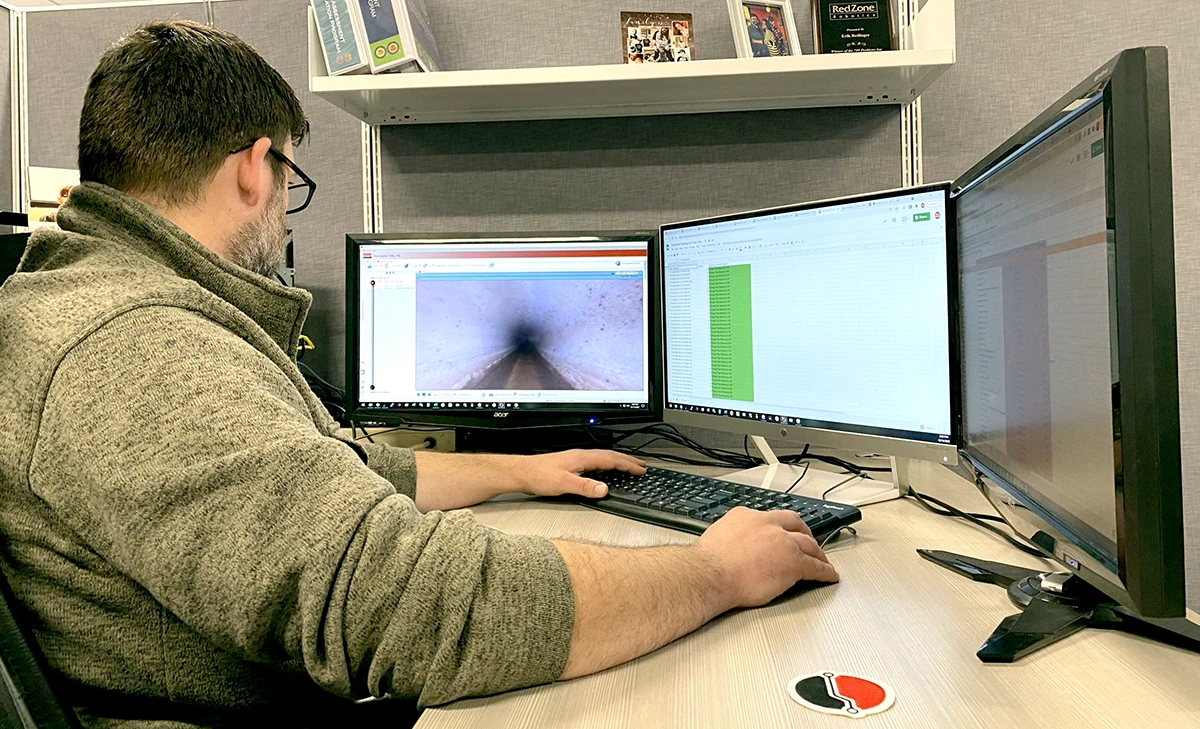
High-quality imagery must be paired with standardized evaluation. NASSCO-certified defect coding ranks observed defects by severity, providing a consistent framework for condition assessment.
This structured coding allows utilities to:
- Understand the true condition of their system
- Quantify risk across pipe segments
- Prioritize rehabilitation based on severity
- Support capital improvement planning with defensible data
Rather than relying on anecdotal observations or fragmented reports, utilities gain a ranked and standardized view of system health.
From Reactive Repairs to Proactive Management
Modern inspection technologies do more than collect video. They shift the operational model.
As one township engineer noted:
“Our work with RedZone has allowed us to move from reactively repairing our system to proactively assessing and managing it. The information provided has continually increased the efficiency of our asset management and given us the ability to prioritize our repair and O and M needs and structure our annual budget accordingly.”
This transition from reactive to proactive management is the core value proposition. Inspection data becomes a strategic planning tool, not just a compliance exercise.
Integrated Data with Integrity™
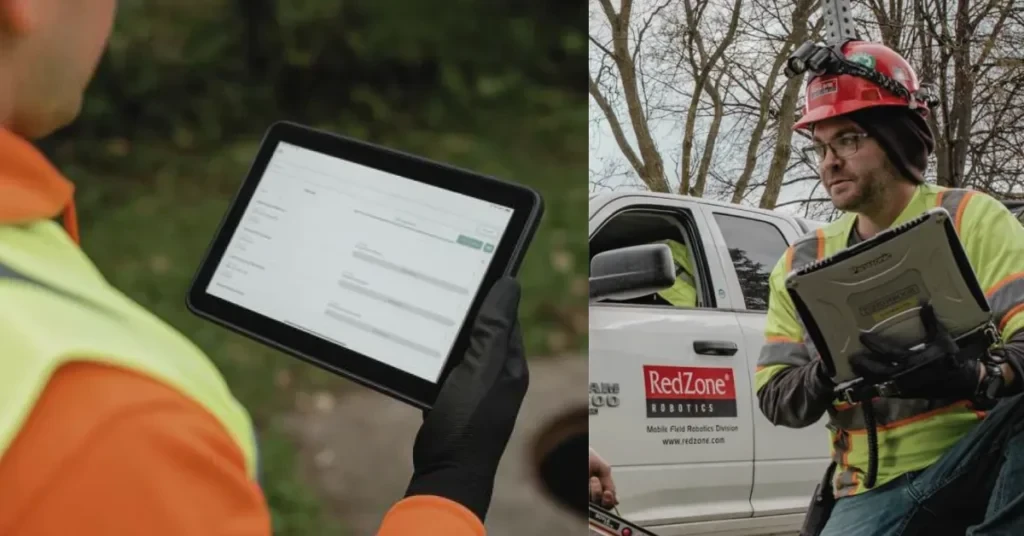
Inspection results are uploaded daily to secure cloud servers and processed into 360-degree videos. These datasets are linked directly to GIS environments through Integrity™ sewer asset management software, providing near real-time access to inspection results.
This integration enables:
- GIS-based visualization of pipe condition
- Centralized access to video and defect data
- Overnight processing and availability
- Improved collaboration between engineering, operations, and management teams
By combining field inspection with cloud processing and GIS integration, utilities gain actionable intelligence at speed.
Small Diameter Inspection by the Numbers
- Over 800,000 miles of public sewers in the United States
- 80 percent of systems are 8 to 12 inches in diameter
- 23,000 to 75,000 sanitary sewer overflows annually
Given the scale of infrastructure and regulatory pressure, systematic inspection programs are essential to maintaining compliance, protecting public health, and preserving long-term asset value.
A Data-Driven Future for Collection Systems
Small-diameter pipes represent the majority of most wastewater collection systems. Historically, their inspection has been constrained by time, labor, and data limitations. Today, advanced inspection platforms provide faster deployment, safer field operations, comprehensive 360-degree imaging, standardized defect coding, and seamless GIS integration.
The outcome is not just more inspections. It is better decisions.
By equipping utilities with clear, complete, and standardized data, modern small-diameter inspection programs enable confident operations, structured capital planning, and a measurable reduction in risk.
Protecting your pipes begins with understanding them. With the right inspection technology and data infrastructure, utilities can move from uncertainty to clarity and from reactive maintenance to proactive asset stewardship.